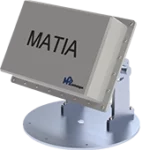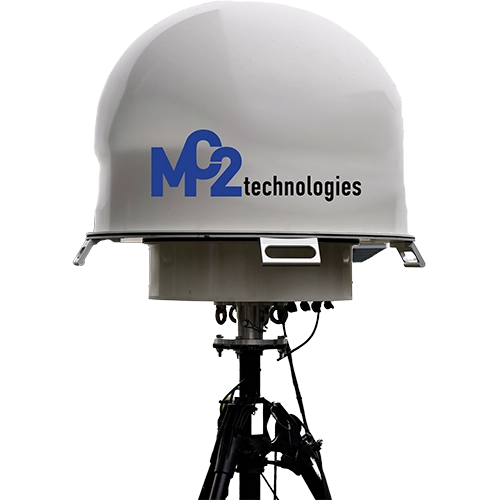




MATIA
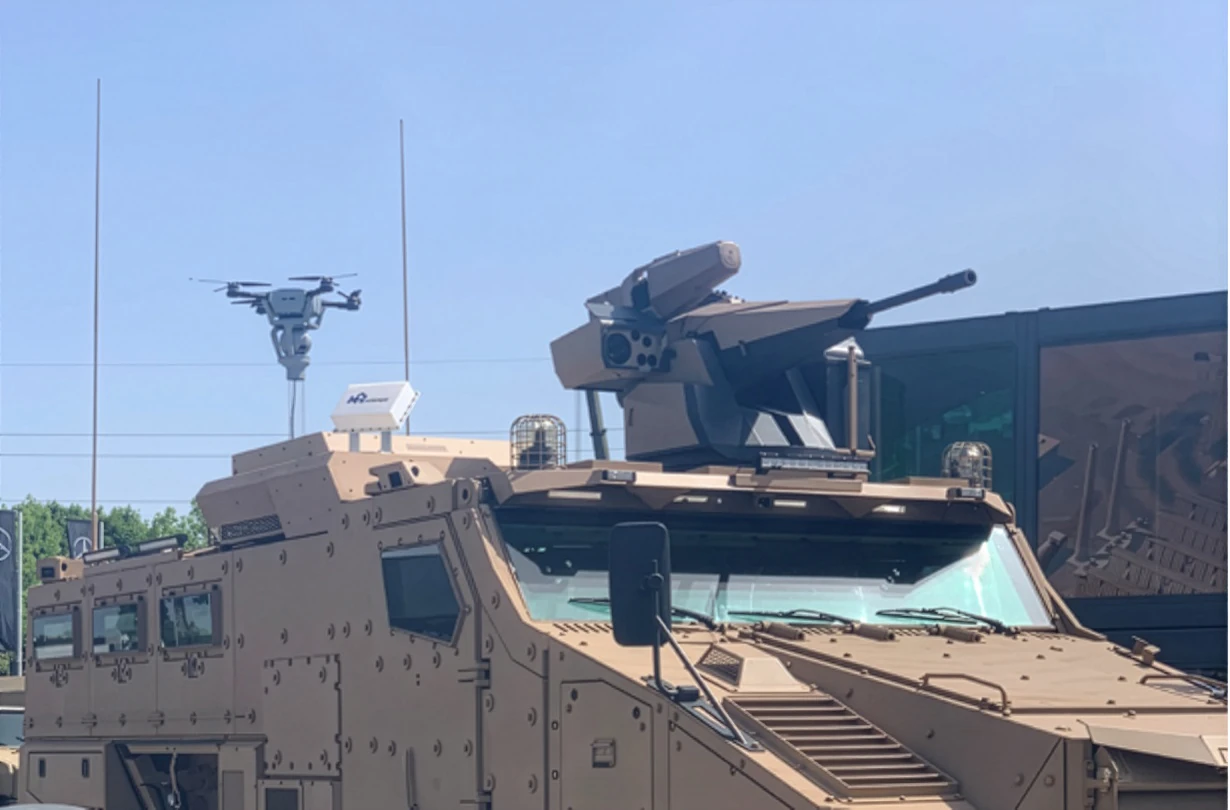
Drone detection, identification, and high-precision countermeasures
Today, most drones are made of plastic and composite materials, making them difficult or even impossible to detect.
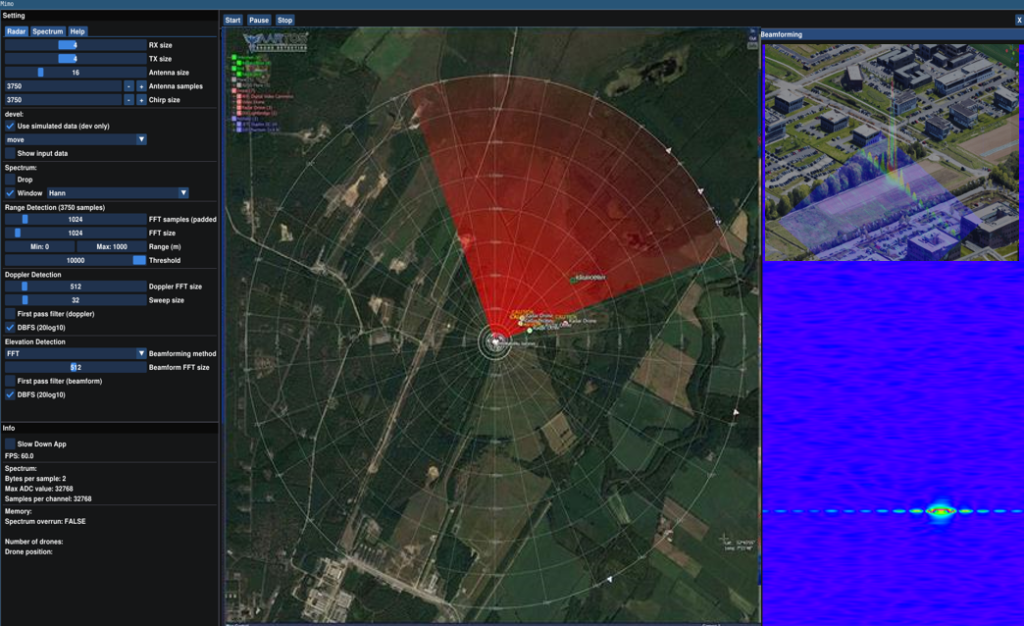
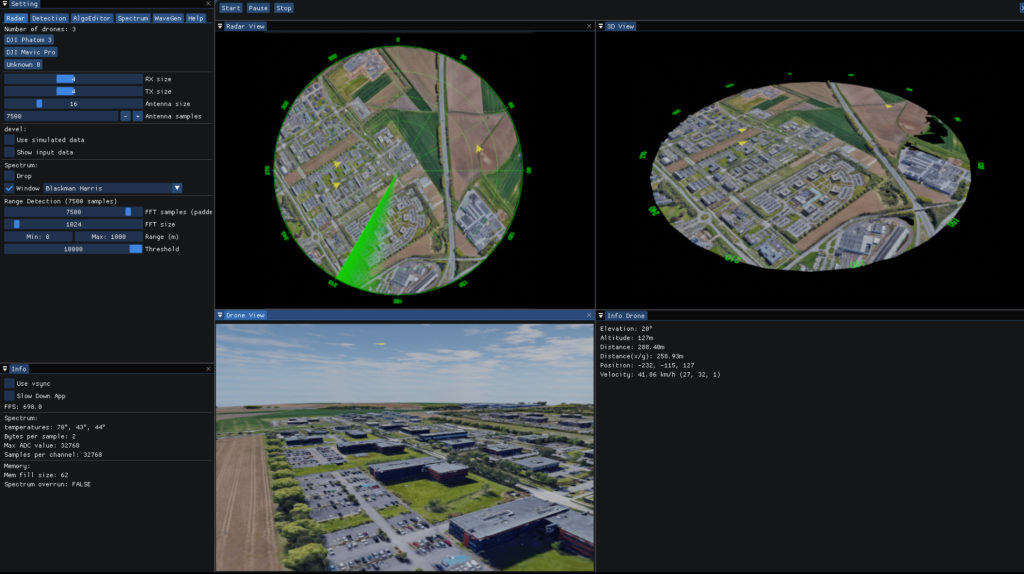
MATIA radar addresses this challenge by using terahertz frequencies and Doppler and micro-Doppler analysis to detect any drone.

Micro-Doppler: Detection and Neutralization Combined
Due to the rotation of their propeller blades, drones produce a micro-Doppler signature unique to each model, which can be used to distinguish them from one another.
At the same time, this signature makes it possible to distinguish a drone from a bird, which also produces
its own unique micro-Doppler signature due to the flapping of its wings. MATIA’s operation in the terahertz frequency range enables the retrieval of highly reliable and distinctive micro-Doppler signatures not only across different drone models but also among all targets, and allows for the neutralization of enemies—all within a shorter timeframe than other existing radar technologies.
Detection in Any Situation
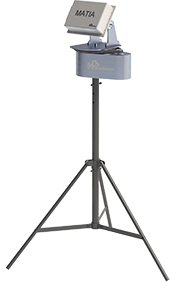
MATIA protects a wide variety of infrastructure (airports, prisons, stadiums, military bases, buildings, etc.) and events (festivals, sporting events, etc.) at any time and in any location, regardless of their size or shape, thanks to its networked deployment, which eliminates blind spots within the protected area.
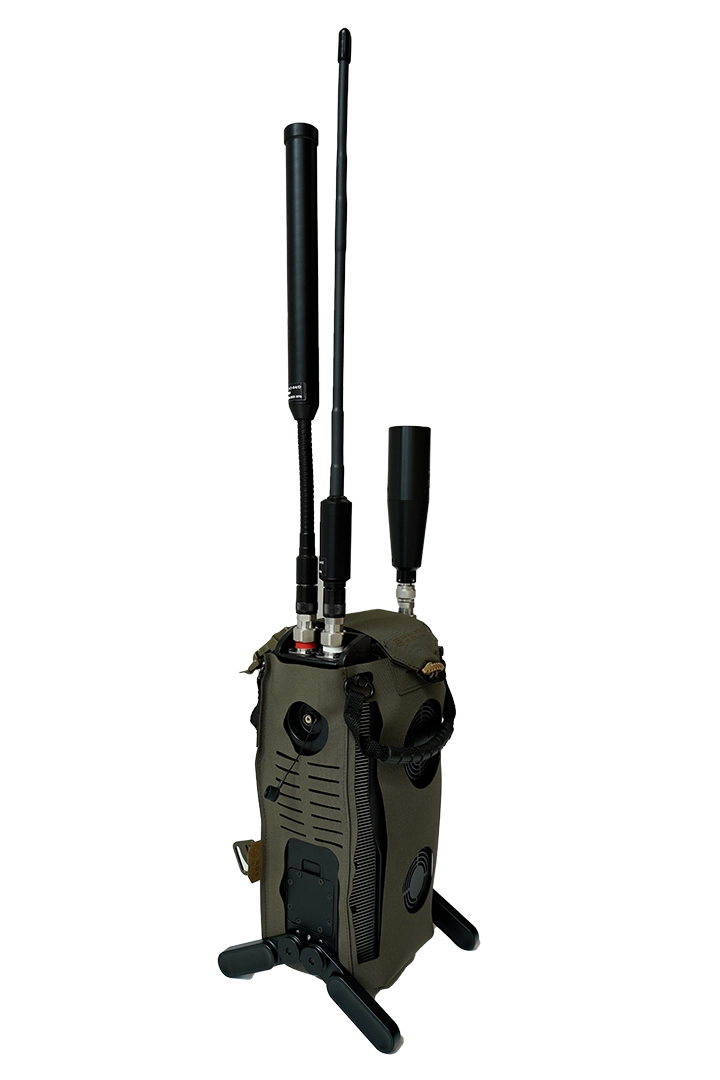
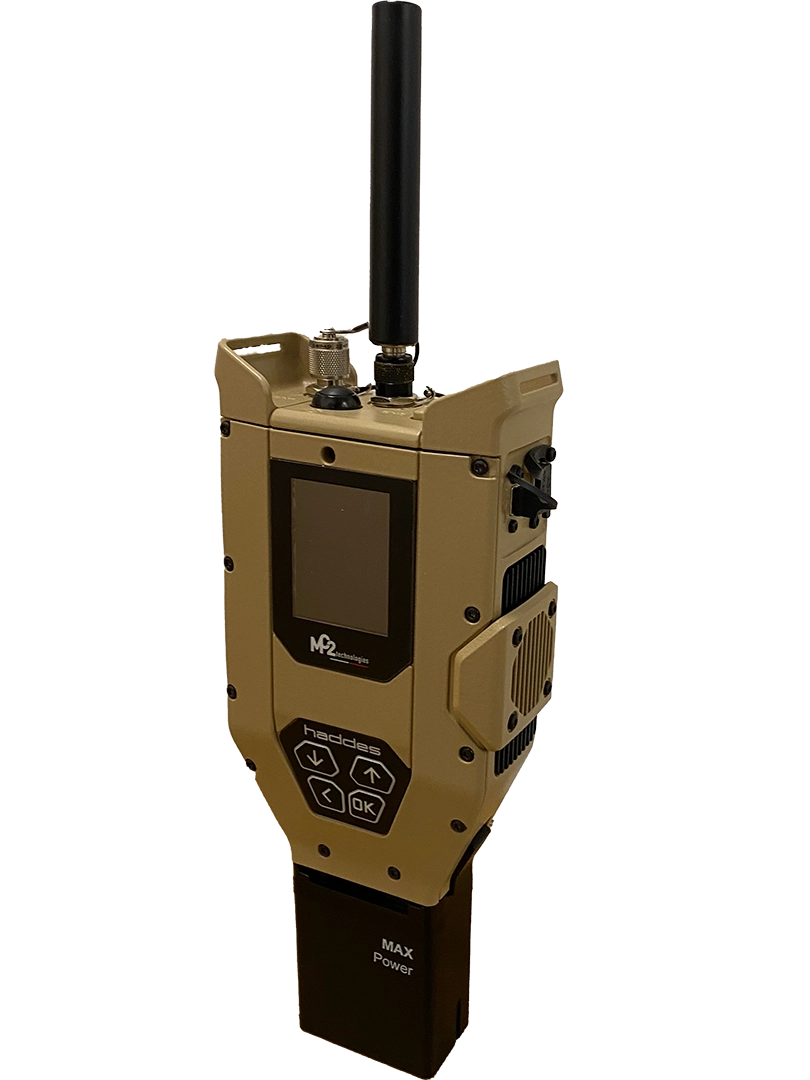
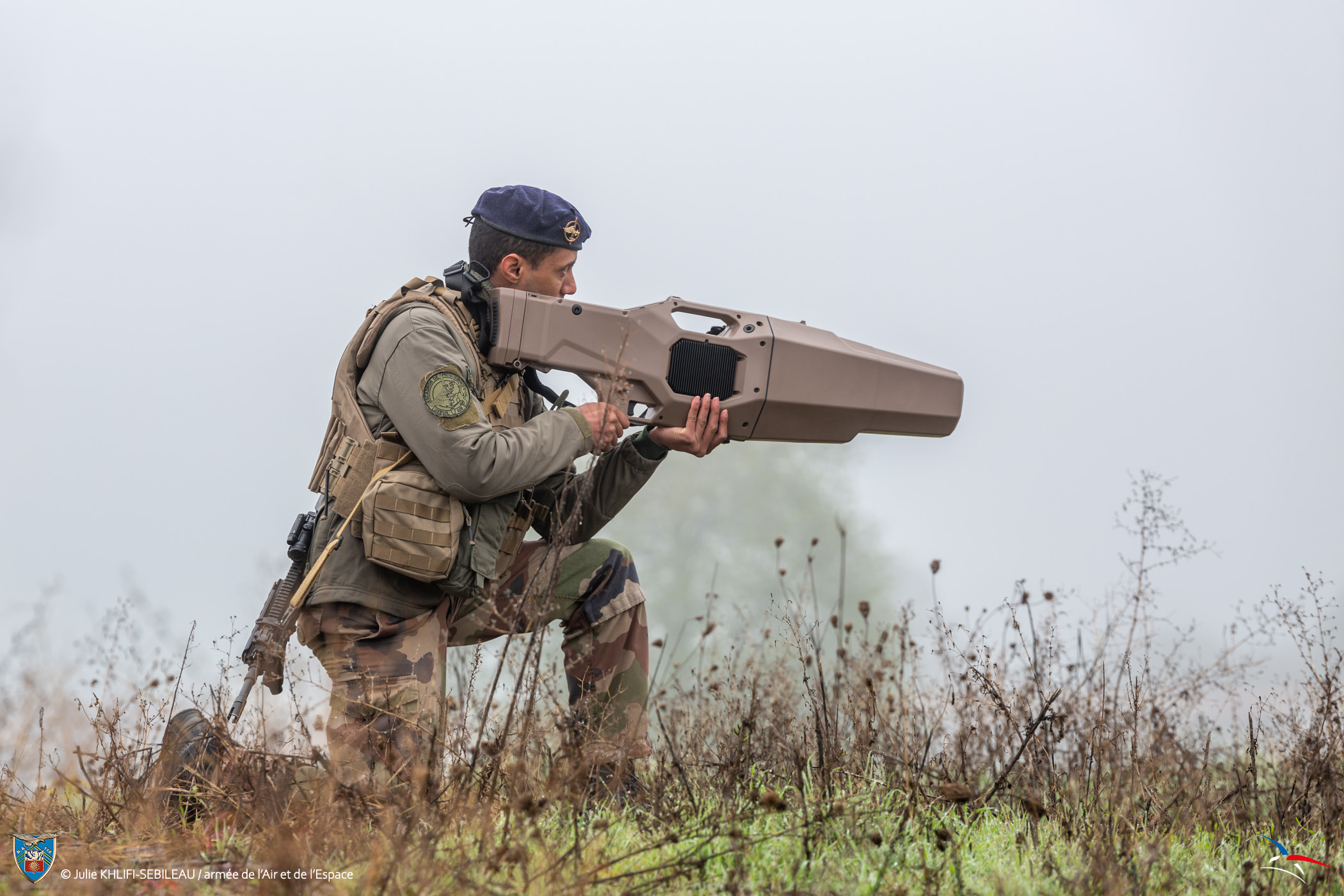
MATIA is designed to work in tandem with jamming devices such as MAJES or NEROD.